Choosing among the best laptops for photo editing means balancing color accuracy, processing power, memory, storage, screen quality, and portability. The right configuration can make RAW processing, layered edits, and large Lightroom catalogs feel much smoother.
This roundup covers ten creator-focused laptops, including modern AI PCs, mobile workstations, and value-oriented refurbished models, so you can match your budget and editing workflow to a practical choice.
Best 10 Laptops for Photo Editing Picks for 2026
Best Overall Color Workspace

- 100% sRGB 16-inch touchscreen
- 32GB RAM and 2TB SSD
- Intel Core Ultra 9 with Arc graphics
Best For: Photo editors needing color coverage, screen space, and storage
Best Workstation Performance

- RTX 2000 Ada with 8GB dedicated graphics
- 64GB DDR5 CAMM RAM
- ISV-certified workstation design
Best For: Professional creative workflows needing dedicated GPU power
Best Portable Editor
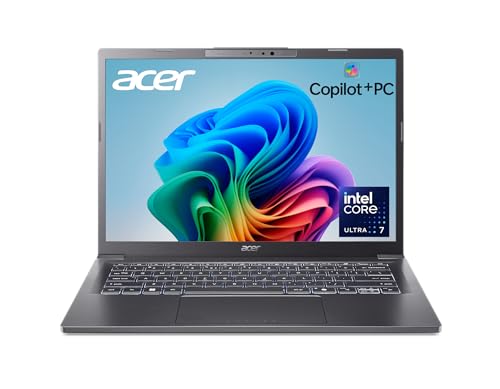
- Lightweight 3.1-pound aluminum design
- 14-inch WUXGA 16:10 display
- 16GB RAM and 1TB SSD
Best For: Mobile photo editing, study, and everyday creative work
Best Touchscreen Multitasker

- 16-inch 16:10 IPS touchscreen
- 32GB DDR5 RAM and 1TB SSD
- Versatile USB-C, HDMI 2.1, and USB-A ports
Best For: Touch-focused photo editing and multitasking at home or work
Color-Accurate Creator Pick

- Pantone-validated IPS display with 100% DCI-P3 coverage
- Core i7 processor and dedicated GTX 1650 graphics
- 16GB RAM with a 512GB NVMe SSD
Best For: Color-conscious photo editors
Upgradeable Performance Choice

- Ryzen 7 processor with 32GB DDR5 memory
- 1TB PCIe 4.0 SSD and expandable storage
- 75Wh battery with 100W USB-C charging
Best For: Multitasking and upgrade-minded creators
Refurbished Workstation Value

- Dedicated Quadro P1000 graphics with 4GB VRAM
- Core i7 processor, 16GB RAM, and 512GB SSD
- Two Thunderbolt ports and Windows 11 Pro
Best For: Budget-conscious workstation shoppers
Best Portable AI Pick
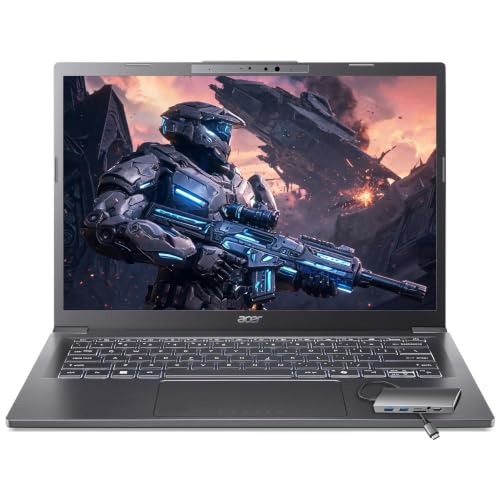
- 32GB RAM and 2TB SSD
- Intel Arc graphics for photo editing
- Lightweight touchscreen convertible
Best For: Mobile photographers and creative professionals
Best Large-Screen Value

- Large anti-glare Full HD display
- Eight-core Ryzen 7 processor
- Radeon 680M integrated graphics
Best For: Desk-based editors needing ample screen space
Best Color-Critical Pick
Acer ConceptD 7 Creator Laptop

- 4K IPS display with 100% Adobe RGB
- PANTONE validated with Delta E below 2
- Dedicated RTX 2060 graphics
Best For: Color-critical photographers and designers
Best Overall Color Workspace – Acer Aspire 16 AI Creator
For shoppers comparing laptops for photo editing, the Acer Aspire 16 AI Creator combines a spacious 16-inch touchscreen with 100% sRGB coverage, 32GB of memory, and a 2TB SSD. Its Intel Core Ultra 9 processor and Intel Arc graphics make it a well-equipped option for photo work, multitasking, and general creative workflows.
Best For: Photo editors who want a large, color-focused display, generous memory, and substantial built-in storage.
Pros:
- 16-inch WUXGA touchscreen with 100% sRGB coverage and a smooth 120Hz refresh rate
- 32GB LPDDR5 memory and a spacious 2TB PCIe Gen 4 NVMe SSD
- Intel Core Ultra 9 processor with Intel Arc 140V integrated graphics
- Thunderbolt 4, USB4, HDMI 2.1, and Wi-Fi 7 support
Cons:
- Integrated graphics are less suited to highly demanding GPU-intensive work than a dedicated GPU
- Display resolution is WUXGA rather than a higher-resolution panel
The Aspire 16 is a strong all-around choice when accurate sRGB color, screen space, and storage capacity matter more than dedicated graphics performance.
Best Workstation Performance – Dell Precision 7680
The Dell Precision 7680 is a workstation-class choice for laptops for photo editing, pairing an NVIDIA RTX 2000 Ada GPU with 8GB of dedicated graphics memory, 64GB of DDR5 CAMM RAM, and an Intel Core i7-13850HX processor. It is built for demanding professional applications and extensive multitasking.
Best For: Professional photographers and creative users who prioritize dedicated graphics, high memory capacity, and workstation-oriented performance.
Pros:
- NVIDIA RTX 2000 Ada graphics with 8GB GDDR6 dedicated memory
- 64GB DDR5 CAMM RAM and a fast 1TB PCIe NVMe SSD
- Workstation-focused design with ISV certifications and MIL-STD-810H testing
- Supports up to four external 4K displays at 60Hz without a docking station
Cons:
- FHD+ display offers 45% NTSC coverage, less color-focused than a 100% sRGB panel
- At 5.9 pounds, it is less portable than the other listed options
The Precision 7680 makes the most sense for users who need true workstation hardware and dedicated GPU power, but a calibrated external display may be preferable for color-critical editing.
Best Portable Editor – Acer Aspire 14 AI
If portability is central to your search for laptops for photo editing, the Acer Aspire 14 AI offers a lightweight 3.1-pound aluminum design with a 14-inch WUXGA display, Intel Arc 140V graphics, and a 1TB SSD. Its Intel Core Ultra 7 processor and Copilot+ features support everyday creative and productivity tasks on the move.
Best For: Students, travelers, and mobile creators who want a lightweight laptop with a sharp 16:10 display and long claimed battery life.
Pros:
- Lightweight 3.1-pound aluminum chassis with a 180-degree hinge
- 14-inch 1920 x 1200 display provides a practical 16:10 workspace
- Intel Core Ultra 7 processor, Intel Arc 140V graphics, and 16GB LPDDR5X memory
- 1TB SSD and claimed battery life of up to 22 hours under specified video-playback testing
Cons:
- 16GB RAM provides less headroom than the 32GB and 64GB alternatives
- 300-nit display brightness may be limiting in very bright environments
- Its compact 14-inch size offers less editing space than 16-inch models
The Aspire 14 AI is a sensible travel-friendly option for lighter photo workflows, especially when low weight and battery endurance are more important than maximum memory or screen size.
Best Touchscreen Multitasker – HP OmniBook 16
The HP OmniBook 16 is a practical contender among laptops for photo editing, with 32GB of DDR5 RAM, a 1TB SSD, and a spacious 16-inch 1920 x 1200 touchscreen. Its Ryzen AI 7 processor and integrated Radeon 840M graphics are suited to photo projects, multitasking, and connected home-office setups.
Best For: Editors who value a large touchscreen, ample memory, modern ports, and comfortable desktop-style multitasking.
Pros:
- 16-inch 16:10 IPS touchscreen with 1920 x 1200 resolution
- 32GB DDR5 RAM supports demanding multitasking and creative applications
- 1TB PCIe NVMe SSD provides fast storage for projects and media files
- USB-C, USB-A, HDMI 2.1, Wi-Fi 6, and Bluetooth 5.4 connectivity
Cons:
- Integrated Radeon 840M graphics are not intended for the heaviest GPU-intensive workloads
- The supplied specifications do not state a wide-gamut color rating such as 100% sRGB
- At 3.6 pounds, it is heavier than the Acer Aspire 14 AI
The OmniBook 16 balances screen area, memory, and convenience features well; color-critical users should verify the panel’s gamut or plan to use an external calibrated display.
Color-Accurate Creator Pick – Acer ConceptD 3
For photographers shopping for laptops for photo editing, the Acer ConceptD 3 emphasizes display accuracy alongside capable processing power. Its Pantone-validated Full HD IPS screen covers 100% of the DCI-P3 color gamut, while 16GB of RAM, a 512GB NVMe SSD, and dedicated GTX 1650 graphics support everyday editing workflows.
Best For: Photo editors who prioritize a color-focused display and dedicated graphics in a Windows Pro laptop.
Pros:
- Pantone validated, Delta E <2 display with 100% DCI-P3 coverage
- Six-core Intel Core i7 processor and NVIDIA GTX 1650 graphics
- 16GB DDR4 memory and fast 512GB PCIe NVMe SSD
- Fingerprint reader, Wi-Fi 6, and backlit keyboard
Cons:
- Full HD resolution provides less workspace than a higher-resolution photo-editing display
- Uses an older 9th-generation Intel processor and Windows 10 Pro
The ConceptD 3 is a strong fit when accurate color reproduction matters more than having the newest platform. Its dedicated GPU and solid memory configuration make it practical for editing, though the 512GB drive may require external storage for large photo libraries.
Upgradeable Performance Choice – NIMO AI-Creator Laptop
The NIMO AI-Creator is a versatile option among laptops for photo editing, pairing an eight-core Ryzen 7 processor with 32GB of DDR5 memory and a 1TB PCIe 4.0 SSD. Its integrated Radeon 780M graphics are suited to general creative work, while the upgradeable design leaves room for future expansion.
Best For: Multitasking creators who want substantial memory, storage, battery capacity, and upgrade options.
Pros:
- Ryzen 7 8745HS processor with 8 cores and 16 threads
- 32GB DDR5 RAM and 1TB PCIe 4.0 NVMe SSD
- Dual SODIMM and dual M.2 slots support future upgrades
- 75Wh battery, 100W USB-C charging, and broad port selection
Cons:
- 15.6-inch display is Full HD rather than a higher-resolution panel
- Integrated Radeon 780M graphics may be less suitable for especially GPU-intensive workloads than a dedicated GPU
This NIMO model stands out for capacity and flexibility. The generous RAM and SSD reduce the need for immediate upgrades, but photographers who need especially precise color or dedicated graphics should verify those requirements before choosing it.
Refurbished Workstation Value – HP ZBook Studio G5
For buyers considering laptops for photo editing on a tighter budget, this renewed HP ZBook Studio G5 offers workstation-oriented hardware. It combines a six-core Core i7 processor, 16GB of RAM, a 512GB SSD, and dedicated NVIDIA Quadro P1000 graphics with Windows 11 Pro.
Best For: Photographers seeking a refurbished mobile workstation with dedicated professional graphics.
Pros:
- Dedicated NVIDIA Quadro P1000 graphics with 4GB GDDR5 VRAM
- Six-core Intel Core i7-8850H processor and 16GB DDR4 RAM
- 512GB SSD and two Thunderbolt ports
- Certified refurbished testing and a minimum 90-day warranty
Cons:
- Refurbished unit may arrive in generic packaging and carries a shorter warranty
- Full HD display is listed with a glossy finish
- Older 8th-generation processor platform
The ZBook Studio G5 makes sense when dedicated graphics and workstation connectivity are more important than having the latest components. Its renewed status and 90-day limited warranty are worth weighing carefully, especially for photographers who depend on their laptop every day.
Best Portable AI Pick – Acer Aspire 14 Touchscreen
For shoppers seeking laptops for photo editing that are easy to carry, the Acer Aspire combines a Core Ultra 7 processor, 32GB of memory, and integrated Intel Arc graphics in a lightweight convertible design. Its 14-inch touchscreen and included connectivity options make it practical for editing on the move.
Best For: Photographers and creative professionals who prioritize portability, generous storage, touchscreen control, and everyday multitasking.
Pros:
- 32GB LPDDR5X RAM and a 2TB PCIe SSD support large photo libraries and demanding multitasking.
- Intel Arc 140V graphics support Lightroom work and GPU-accelerated creative effects.
- 14-inch touchscreen supports intuitive retouching and stylus use.
- Lightweight 3.09-pound design includes an extensive USB hub with HDMI, USB-A, USB-C, SD, and Ethernet.
Cons:
- Integrated graphics are better suited to photo editing and 1080p video work than highly demanding GPU workloads.
- The 1920×1200 display is not a 4K panel.
This is a well-rounded choice for mobile editors who value memory, storage, and convenience. The touchscreen, SD support, and compact build are especially useful for photographers working between locations.
Best Large-Screen Value – NIMO 17.3-inch Ryzen 7 Laptop
The NIMO is a practical option among laptops for photo editing when screen size and multitasking matter most. Its 17.3-inch anti-glare Full HD display, eight-core Ryzen 7 processor, and Radeon 680M graphics provide a spacious setup for photo retouching and everyday creative work.
Best For: Editors who want a large workspace for side-by-side windows, photo retouching, media playback, and general multitasking.
Pros:
- 17.3-inch Full HD anti-glare display offers substantial workspace.
- Ryzen 7 7735HS provides eight cores and 16 threads for demanding multitasking.
- Radeon 680M graphics support photo retouching, 4K multimedia playback, and casual gaming.
- 100W GaN USB-C charging is convenient for mobile use.
Cons:
- 16GB RAM and 256GB SSD provide less headroom for large photo libraries than higher-capacity alternatives.
- The integrated graphics are not a substitute for a dedicated GPU in intensive creative workloads.
- Its 17.3-inch format is less portable than a compact laptop.
The NIMO emphasizes comfortable viewing and processor performance rather than maximum storage or color-focused display specifications. It makes sense for users who edit at a desk and appreciate a large anti-glare screen.
Best Color-Critical Pick – Acer ConceptD 7 Creator Laptop
For color-sensitive photo work, the Acer ConceptD 7 stands out among laptops for photo editing with its 15.6-inch 4K IPS display, 100% Adobe RGB coverage, PANTONE validation, and Delta E below 2. Its dedicated RTX 2060 graphics also give it stronger acceleration potential for demanding creative applications.
Best For: Photographers and designers who prioritize wide color coverage, high resolution, and dedicated graphics performance.
Pros:
- 4K IPS display offers 100% Adobe RGB coverage, PANTONE validation, and Delta E below 2.
- Dedicated GeForce RTX 2060 includes 6GB of GDDR6 VRAM.
- 1TB NVMe SSD provides substantial fast storage for projects.
- RTX Studio positioning and multiple video outputs support creative workflows and external displays.
Cons:
- The 2019-era ninth-generation processor and Windows 10 Pro platform are older than newer alternatives.
- At 4.6 pounds, it is less travel-friendly than lightweight laptops.
- 16GB RAM may be limiting for especially large or complex projects.
The ConceptD 7 remains compelling when accurate color and a sharp 4K panel are more important than newest-generation hardware. Its older platform and heavier chassis are trade-offs for the dedicated GPU and creator-focused display.
How We Picked These Laptops for Photo Editing
We focused on specifications that have a direct effect on editing performance: processor generation and core count, RAM capacity, SSD storage, display resolution, color coverage, and graphics hardware. Models with at least 16GB of memory are generally more comfortable for serious work, while 32GB or more is preferable for large RAW files, Photoshop layers, and multitasking.
We also considered workflow variety. A high-resolution, wide-gamut screen can be valuable for color-sensitive work, while a dedicated NVIDIA GPU may help with GPU-accelerated effects, exports, and video-related tasks. Older workstation and creator laptops remain relevant when their displays and graphics hardware offer strong value, but buyers should verify battery health and condition on renewed systems.
Quick Comparison
- Best modern all-rounders: The Acer Aspire 16, Acer Aspire 14, HP OmniBook 16, and newer Acer Aspire configurations combine current processors, generous memory, and fast SSD storage.
- Best workstation performance: The Dell Precision 7680 stands out with an RTX 2000 Ada GPU and 64GB of DDR5 memory.
- Best color-focused creator models: The ConceptD 3 and ConceptD 7 offer wide-gamut displays, with the ConceptD 7 adding a 4K panel and RTX 2060 graphics.
- Best budget-oriented options: NIMO models and the renewed HP ZBook Studio can provide capable hardware at a lower price, depending on seller condition and configuration.
Key Buying Factors for Laptops for Photo Editing
Display Quality
Prioritize a bright IPS or equivalent panel with dependable color coverage. 100% sRGB is a useful baseline for general web and print work; Adobe RGB or DCI-P3 coverage is more appealing for photographers who need a broader editing gamut. A 4K screen provides extra detail, although it can reduce battery life and increase scaling requirements.
Processor and Memory
Photo applications benefit from strong single-core responsiveness as well as multiple cores for batch processing and exports. Aim for 16GB of RAM at minimum, and choose 32GB or 64GB when working with large catalogs, panoramas, layered compositions, or several creative applications at once.
Storage and Graphics
A 1TB SSD is a practical starting point for an active photo library and applications. A 2TB drive offers more breathing room, but external SSD storage may still be useful for backups. Integrated graphics are adequate for many photo workflows; a dedicated GPU is worthwhile for GPU-accelerated filters, AI tools, high-resolution displays, and mixed photo-video work.
Portability and Longevity
Check weight, battery capacity, port selection, cooling, webcam quality, and upgradeability—not just headline specifications. Thin AI laptops are convenient for travel, while thicker workstations typically provide stronger sustained performance. For renewed products, confirm warranty coverage, return terms, battery condition, and the exact operating-system and display configuration.
Who Should Buy Which Laptops for Photo Editing?
Choose a current Acer Aspire or HP OmniBook if you want modern processors, ample RAM, fast storage, and a balanced everyday editing machine. Choose the Dell Precision 7680 for demanding professional work, heavier multitasking, and workstation-class graphics. Choose the ConceptD 7 when a 4K, Adobe RGB-oriented display is especially important. Choose the ConceptD 3 for a color-focused creator setup at a potentially lower cost.
Consider the NIMO 15.6-inch model if you want substantial memory and storage on a budget, or the 17.3-inch version if screen size matters more than portability. The renewed HP ZBook Studio can suit buyers seeking an affordable professional chassis, provided its older hardware and used condition fit the workload. Before ordering any model, confirm the seller’s listed panel, GPU, RAM, storage, and warranty details.