The best laptops for video editing balance processing power, graphics performance, memory, storage, display quality, and portability. The right choice depends on your editing software, footage resolution, and workflow.
We selected 10 options ranging from efficient ultraportables and budget-friendly laptops to professional workstations built for demanding timelines, effects, and high-resolution exports.
Best 10 Laptops for Video Editing Picks for 2026
Color-Accurate Creator
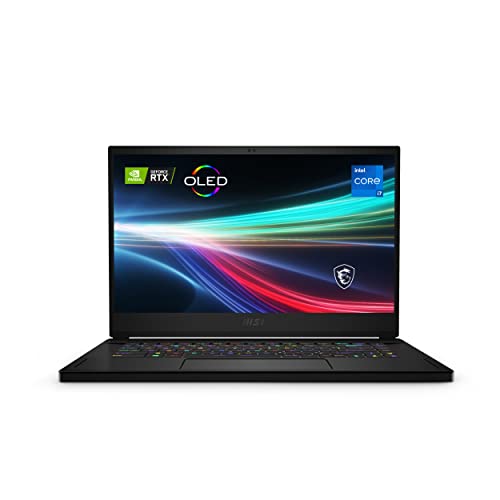
- 4K OLED display with 100% DCI-P3 coverage
- Core i7 processor and RTX 3060 graphics
- Thunderbolt 4 and Wi-Fi 6E connectivity
Best For: Color-focused editing and creative workflows
Workstation Value Pick

- 14-core Core i7-12800H processor
- 32GB DDR5 RAM and 1TB SSD
- Dedicated NVIDIA RTX A1000 graphics
Best For: Multitasking editors using a workstation setup
Everyday Editing Workhorse

- Ryzen 7 processor with 8 cores and 16 threads
- 32GB DDR5 RAM and 1TB PCIe 4.0 SSD
- 16-inch anti-glare IPS display and extensive ports
Best For: Everyday editing, multitasking, and remote work
Most Portable Option

- M5 chip with 16GB unified memory
- Up to 18 hours of battery life
- 2.71-pound design with Liquid Retina display
Best For: Mobile editing and macOS users
Best Mobile Workstation
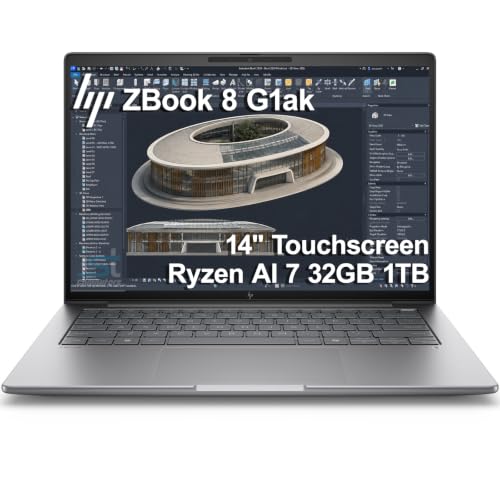
- 32GB RAM and 1TB NVMe SSD
- Ryzen AI 7 PRO with Radeon 860M graphics
- Thunderbolt 4 and up to four external 4K displays
Best For: Mobile creators and professional multitaskers
Best Dedicated Graphics Power

- RTX 3080 Ti with 12GB dedicated graphics memory
- 16-core Core i9 processor up to 5GHz
- 64GB DDR5 RAM for demanding multitasking
Best For: GPU-intensive editing at a desk
Best Everyday Editing Value
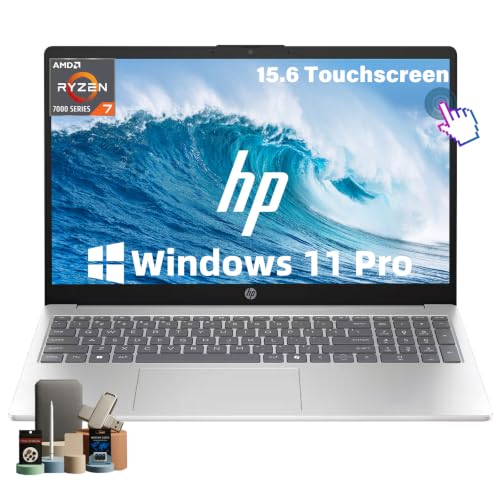
- 32GB RAM and 1TB NVMe SSD
- Eight-core Ryzen 7 7730U processor
- Lightweight 3.52-pound touchscreen design
Best For: Light editing, school, and everyday productivity
Premium Creator Pick

- Core i9 processor and 32GB RAM
- RTX 2060 dedicated graphics
- 17-inch UHD+ display
Best For: Demanding video editing and desktop-style creative work
Budget Large-Screen Option

- 17.3-inch anti-glare FHD display
- Ryzen 5 processor with 8GB LPDDR5
- 512GB SSD and Windows 11 Pro
Best For: Light editing, schoolwork, and everyday productivity
Modern AI Editing Choice

- Core Ultra 9 with AI-focused NPU
- 32GB LPDDR5X and 1TB SSD
- Intel Arc graphics and Wi-Fi 7
Best For: Mobile editing, AI-enabled workflows, and multitasking
Color-Accurate Creator – MSI Creator 15 OLED 4K
For editors who prioritize screen quality, the MSI Creator 15 is one of the more compelling laptops for video editing. Its 15.6-inch 4K OLED panel covers 100% of the DCI-P3 color gamut, while the Core i7 processor and RTX 3060 provide capable performance for demanding creative workflows.
Best For: Video editors, designers, and creators who need a color-focused 4K display and dedicated graphics in a portable laptop.
Pros:
- 15.6-inch UHD OLED display with 100% DCI-P3 coverage
- Eight-core Intel Core i7-11800H processor with speeds up to 4.6 GHz
- Dedicated NVIDIA GeForce RTX 3060 graphics with 6GB GDDR6 memory
- Thunderbolt 4, HDMI, Wi-Fi 6E, and multiple USB ports
Cons:
- 512GB SSD may fill quickly with large video projects
- Glossy display finish can produce reflections
- At 5.4 pounds, it is portable but not especially lightweight
The combination of a high-resolution OLED screen and RTX 3060 makes this a strong fit for color-sensitive editing and graphics-heavy work. Its 2021-era processor and moderate storage capacity are worth considering if your projects require extensive local media storage.
Workstation Value Pick – Dell Precision 5570
The renewed Dell Precision 5570 offers a practical workstation setup for laptops for video editing, with a 14-core Core i7 processor, 32GB of DDR5 memory, and a 1TB SSD. Its NVIDIA RTX A1000 graphics card adds dedicated GPU capability for creative and professional applications.
Best For: Editors who want workstation-class hardware, generous memory, and 1TB of storage in a renewed business laptop.
Pros:
- 14-core Intel Core i7-12800H processor with turbo speeds up to 4.7 GHz
- 32GB DDR5 RAM supports substantial multitasking
- 1TB SSD provides useful space for applications and project files
- NVIDIA RTX A1000 dedicated graphics with 4GB memory
Cons:
- Renewed unit includes a 90-day limited warranty
- 1920×1200 display is less detailed than a 4K editing screen
- Listed weight is 8 pounds
This Precision configuration emphasizes processing power, memory, and storage rather than display resolution. It is a sensible option for editors who connect to an external monitor or who value workstation performance and Windows 11 Pro features.
Everyday Editing Workhorse – Lenovo ThinkPad E16 Gen 2
The Lenovo ThinkPad E16 Gen 2 is a practical choice among laptops for video editing when portability, multitasking, and connectivity matter more than dedicated graphics. It pairs a Ryzen 7 7735HS processor with 32GB of DDR5 memory, a 1TB PCIe 4.0 SSD, and integrated Radeon 680M graphics.
Best For: Students, remote workers, and editors handling everyday content tasks, office work, and lighter editing projects.
Pros:
- Eight-core, 16-thread Ryzen 7 7735HS processor
- 32GB DDR5-4800 memory and 1TB PCIe 4.0 NVMe storage
- 16-inch WUXGA IPS anti-glare display offers a spacious workspace
- Broad port selection including HDMI 2.1, USB-C DisplayPort, and Ethernet
Cons:
- Integrated Radeon 680M graphics are less suited to demanding GPU-heavy editing
- Display resolution is 1920×1200 rather than 4K
- Its 0.78-inch thickness is less ultraportable than a thin premium laptop
With ample RAM and fast storage, this ThinkPad should feel responsive for general editing, organization, and multitasking. Editors working with complex effects, high-resolution timelines, or intensive exports may prefer a system with dedicated graphics.
Most Portable Option – Apple MacBook Air 13-inch M5
The 2026 MacBook Air combines a lightweight 2.71-pound design with Apple’s M5 chip, 16GB of unified memory, and a 512GB SSD. For shoppers comparing laptops for video editing, its 13.6-inch Liquid Retina display, long battery life, and support for up to two external displays make it appealing for mobile creative work.
Best For: Mobile editors, students, and creators who value low weight, long battery life, and the macOS ecosystem.
Pros:
- M5 chip with faster CPU performance and a next-generation GPU
- Up to 18 hours of battery life
- 2.71-pound design is easy to carry
- Liquid Retina display supports 1 billion colors and up to two external displays
Cons:
- 512GB SSD may be limiting for large video libraries
- 13.6-inch screen provides less timeline space than larger laptops
- Supplied notes do not specify a dedicated graphics card
This MacBook Air is best suited to editors who frequently work away from a desk and can manage projects through external storage or displays. Its compact size and claimed battery life are major advantages, while the smaller screen and storage capacity may matter for larger production workflows.
Best Mobile Workstation – HP ZBook 8 G1ak
For creators who need capable laptops for video editing without giving up portability, the HP ZBook 8 G1ak combines a Ryzen AI 7 PRO processor, 32GB of memory, and a 1TB SSD in a 14-inch design. Its integrated Radeon 860M graphics are suited to editing and other creative workloads, though this is not a dedicated-GPU workstation.
Best For: Mobile creators, professionals, and multitaskers working with video editing, AI tools, and demanding business applications.
Pros:
- 32GB DDR5 RAM and a 1TB PCIe NVMe SSD support responsive multitasking and project storage.
- Ryzen AI 7 PRO 350 includes eight cores and a dedicated 50 TOPS NPU for supported AI workloads.
- 14-inch WUXGA anti-glare touchscreen with support for up to four external 4K displays.
- Strong connectivity, including Thunderbolt 4, HDMI 2.1, Ethernet, and Wi-Fi 7.
Cons:
- Integrated Radeon 860M graphics may be less suitable for especially demanding effects or 3D workloads than a dedicated GPU.
- The 14-inch display has 300-nit brightness and 45% NTSC coverage, which may limit color-critical editing.
- The computer has been resealed for memory and SSD upgrades, with separate warranty coverage noted by the seller.
The ZBook 8 G1ak is a well-equipped portable workstation for editors who value memory, storage, connectivity, and professional software support. Consider a dedicated-GPU model if export speed or advanced effects are your top priority.
Best Dedicated Graphics Power – Dell Precision 7670
The renewed Dell Precision 7670 stands out among laptops for video editing because it pairs a 16-core Core i9 processor with a dedicated Nvidia GeForce RTX 3080 Ti and 12GB of graphics memory. It is a substantial 16-inch workstation with strong editing potential, but buyers should account for its 5.8-pound weight and 90-day limited warranty.
Best For: Editors who prioritize dedicated GPU performance, high memory capacity, and workstation-class multitasking over portability.
Pros:
- Dedicated RTX 3080 Ti graphics with 12GB GDDR6X memory are well suited to graphics-intensive editing tasks.
- Core i9-12950HX provides 16 cores and boost speeds up to 5GHz for demanding multitasking.
- 64GB DDR5 RAM helps with large projects and running multiple applications simultaneously.
- 16-inch FHD+ display offers a larger workspace than many portable laptops.
Cons:
- At 5.8 pounds, it is less convenient for frequent travel.
- The 512GB SSD may fill quickly when storing high-resolution video footage.
- As a renewed product, it includes a 90-day limited warranty according to the supplied details.
For GPU-accelerated editing, the Precision 7670 is the strongest performance-focused option in this group. Its older 2022 platform and heavier chassis make it better suited to a desk-based workflow than constant travel.
Best Everyday Editing Value – HP 15.6-inch Ryzen 7 Laptop
The HP 15.6-inch Ryzen 7 laptop is a practical choice for shoppers seeking affordable laptops for video editing and general productivity. It offers 32GB of RAM, a 1TB SSD, and a Full HD touchscreen, but its integrated Radeon graphics make it better suited to lighter editing and everyday creative work than complex, effects-heavy projects.
Best For: Students, home users, and office professionals who edit occasional videos alongside everyday productivity tasks.
Pros:
- 32GB RAM and a 1TB NVMe SSD provide useful capacity for multitasking and media files.
- Ryzen 7 7730U has eight cores and 16 threads for responsive everyday performance.
- 15.6-inch Full HD IPS touchscreen offers a spacious workspace with touch control.
- Lightweight 3.52-pound design and claimed battery life of up to 10.75 hours support mobile use.
Cons:
- Integrated AMD Radeon graphics are less suitable for demanding video effects and advanced rendering.
- The 1920×1080 display has 300-nit brightness and 45% color gamut coverage, limiting color-critical work.
- Its connectivity is focused on everyday use, with HDMI 1.4 rather than a higher-end display interface.
This HP offers a useful balance of memory, storage, portability, and price-conscious productivity features. Choose it for basic editing and content organization, but look to a dedicated-GPU workstation for frequent professional exports.
Premium Creator Pick – Dell XPS 17 9700
For demanding laptops for video editing work, the Dell XPS 17 9700 combines an eight-core Intel Core i9 processor, 32GB of RAM, a 1TB NVMe SSD, and dedicated RTX 2060 graphics. Its 17-inch UHD+ display also provides a spacious, high-resolution workspace for timelines, previews, and detailed creative projects.
Best For: Editors who prioritize strong desktop-class performance, dedicated graphics, and a large 4K-class display.
Pros:
- Powerful Core i9-10885H processor with up to 5.3GHz boost speed.
- RTX 2060 graphics with 6GB of GDDR6 memory can accelerate compatible creative applications.
- 32GB DDR4 RAM and a 1TB SSD provide substantial multitasking and project storage capacity.
- 17-inch UHD+ display offers up to 3840 x 2400 resolution.
Cons:
- At 5.5 pounds, it is less travel-friendly than lighter editing laptops.
- The listed battery life is approximately three hours.
- It runs Windows 10 Home rather than Windows 11.
The XPS 17 9700 is the most performance-focused option in this group. Its dedicated GPU and high-resolution screen make it well suited to intensive editing, though its weight and modest listed battery life favor desk-based use.
Budget Large-Screen Option – HP 17 Laptop
The HP 17 is a practical entry-level choice among laptops for video editing, offering a large 17.3-inch Full HD screen, a Ryzen 5 7520U processor, 8GB of LPDDR5 memory, and a 512GB SSD. It is better suited to lighter editing and general productivity than demanding projects requiring dedicated graphics.
Best For: Students, business users, and casual creators who want a large matte display and basic editing capability.
Pros:
- Large 17.3-inch 1920 x 1080 anti-glare IPS display.
- Ryzen 5 processor supports four cores, eight threads, and speeds up to 4.3GHz.
- 512GB PCIe NVMe SSD offers responsive storage and boot performance.
- Windows 11 Pro, Wi-Fi 6, HDMI, and a full-size keyboard with numeric keypad add practical features.
Cons:
- 8GB of RAM is limited for complex timelines and heavier multitasking.
- Integrated AMD Radeon graphics are less suitable for GPU-intensive editing than a dedicated GPU.
- The Full HD resolution provides less workspace than higher-resolution creator displays.
This HP is a sensible choice when screen size and everyday usability matter more than rendering speed. For serious 4K workflows or effects-heavy editing, its integrated graphics and 8GB memory are important limitations.
Modern AI Editing Choice – Dell 16 Plus
The Dell 16 Plus blends current connectivity and AI features with 32GB of LPDDR5X memory and a 1TB SSD. For laptops for video editing, its Intel Arc 140V graphics and Core Ultra 9 processor make it a capable option for compatible creative apps, while the 16-inch 16:10 touchscreen provides useful vertical workspace.
Best For: Mobile creators who want modern AI capabilities, abundant memory, and versatile ports for displays and accessories.
Pros:
- Intel Core Ultra 9 288V processor supports up to 5.3GHz and includes an AI-focused NPU.
- 32GB LPDDR5X memory and a 1TB PCIe NVMe SSD suit multitasking and larger project libraries.
- Intel Arc 140V graphics are positioned for AI-accelerated content creation and video editing.
- Wi-Fi 7, Thunderbolt 4, HDMI 2.1, and DisplayPort support provide flexible connectivity.
Cons:
- Integrated Intel graphics share system memory rather than offering dedicated VRAM.
- The 1920 x 1200 display is less detailed than a 4K editing panel.
- The supplied specifications contain inconsistent screen-size references, so buyers should verify the listing details.
The Dell 16 Plus is a balanced modern workstation for editors who value memory, portability, and connectivity. It is a stronger multitasking choice than the HP, but dedicated-GPU performance seekers may prefer the XPS 17.
How We Picked These Laptops for Video Editing
We focused on the hardware that most directly affects editing: CPU performance for timeline work and exports, dedicated or integrated graphics support for effects, at least 16GB of memory where possible, fast SSD storage, and displays suitable for reviewing footage. We also considered screen size, operating system, portability, upgrade potential, and overall value.
The selection includes modern Apple silicon and AI-enabled systems, Windows creator laptops, refurbished workstations, and lower-cost models for basic projects. Because specifications and configurations can vary by seller, verify the exact RAM, storage, graphics card, display resolution, and warranty before buying.
Quick Comparison
| Best For | Recommended Type | What to Prioritize |
|---|---|---|
| 4K editing and effects | Dedicated workstation or creator laptop | Fast multicore CPU, discrete GPU, 32GB or more RAM |
| 1080p projects and schoolwork | Midrange Windows laptop | 16GB RAM, SSD storage, modern six- or eight-core processor |
| Travel and mobile editing | MacBook Air or thin premium laptop | Battery life, quiet operation, low weight, efficient processor |
| Large timelines and media libraries | 16- or 17-inch laptop | Large display, 1TB SSD, strong cooling |
| Lower-cost basic editing | Entry-level laptop | SSD storage and enough memory for your editor |
Key Buying Factors for Laptops for Video Editing
Processor and Graphics
Choose a recent high-performance processor for smooth playback and faster exports. A dedicated NVIDIA GeForce RTX GPU is especially useful for GPU-accelerated effects, color work, and editing high-resolution footage. Integrated graphics can handle basic 1080p editing but may struggle with complex 4K timelines.
Memory and Storage
16GB of RAM is a practical starting point, while 32GB is preferable for 4K projects, multicamera editing, motion graphics, and heavy multitasking. A 1TB SSD gives you more room for applications, cache files, and active footage. Editors with large libraries should plan on a fast external SSD or desktop storage.
Display Quality and Size
A sharp, color-accurate display makes it easier to inspect detail and grade footage. OLED and wide-gamut panels can provide richer contrast and color, but confirm calibration if color-critical work matters. A 16- or 17-inch screen offers more timeline space; smaller displays are easier to carry.
Portability, Cooling, and Expandability
Powerful laptops often weigh more and run warmer under sustained exports. Check fan behavior, battery expectations, port selection, and charger size. Workstation models may offer better cooling and upgrade options, while thin laptops typically prioritize convenience over repairability.
Who Should Buy Which Laptops for Video Editing?
- Professional editors: Choose a workstation or creator model with a dedicated GPU, 32GB or more RAM, and a high-quality display.
- Students and hobbyists: A modern midrange laptop with 16GB RAM and a fast SSD is usually sufficient for 1080p and lighter 4K projects.
- Traveling creators: An efficient, lightweight laptop such as the MacBook Air is a strong fit when battery life and portability matter more than maximum sustained performance.
- Editors with large media files: Prioritize 1TB storage, multiple high-speed ports, and reliable external-drive support.
- Budget buyers: Look for an SSD and adequate memory first; avoid choosing solely by processor branding, and confirm that your editing software supports the graphics hardware.