Choosing among today’s laptops means balancing speed, portability, screen size, storage, and price. This roundup compares 10 options ranging from compact Apple models to practical Windows notebooks for school, home, business, and everyday use.
Use the comparison and buying advice below to narrow your choices based on performance needs, software preferences, display comfort, and long-term value.
Best 10 Laptops Picks for 2026
Best Premium Pick
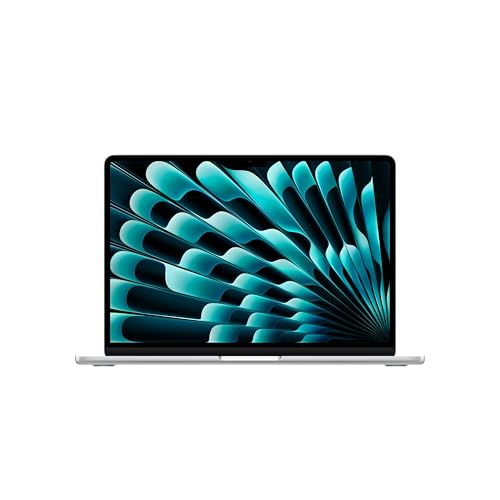
- M5 chip with 16GB memory and 512GB SSD
- Up to 18 hours of battery life
- 12MP Center Stage camera and Wi-Fi 7
Best For: College, creative work, and premium everyday computing
Best Windows Value

- 15.6-inch Full HD anti-glare display
- 512GB SSD with Windows 11 Home
- Numeric keypad and Wi-Fi 6 connectivity
Best For: Everyday school, business, and home productivity
Best Affordable Mac

- A18 Pro chip with Apple Intelligence support
- Up to 16 hours of battery life
- Lightweight recycled aluminum design
Best For: Students and casual Mac users on a budget
Best Budget Basic
PADIX 15.6-inch Windows Laptop

- 15.6-inch Full HD anti-glare display
- Silent fanless design with Windows 11
- USB-C, USB 3.2, and TF card expansion
Best For: Basic browsing, documents, classes, and home-office tasks
Best Lightweight Everyday Laptop

- 15.6-inch Full HD anti-glare display
- Lightweight 3.42-pound design
- Wi-Fi 6 and broad port selection
Best For: Students and everyday home or office use
Best Large-Screen Business Laptop

- Large 17.3-inch anti-glare display
- Ryzen 5 with 16GB RAM
- 512GB SSD and numeric keypad
Best For: Desk-based business, student, and multitasking needs
Student Essential
HP Everyday Slim 14-Inch Laptop

- AMD processor with Windows 11 and Copilot AI
- Microsoft 365 included for school and everyday tasks
- Portable 14-inch anti-glare design with 128GB SSD
Best For: Students and home users handling basic productivity and browsing
Workday Multitasker

- 16GB RAM and 256GB NVMe SSD for everyday multitasking
- 15.6-inch Full HD anti-glare IPS display
- USB-C, HDMI 2.1, Wi-Fi 6, and numeric keypad
Best For: Students, remote workers, and families needing a larger display
Compact Office Pick

- Intel N150, Windows 11, and Microsoft 365 included
- 14-inch anti-glare display with listed 1600 x 900 resolution
- USB-C, USB-A, HDMI, Wi-Fi, Bluetooth, and microSD support
Best For: Basic office, email, web browsing, and home productivity
Best Premium Pick – Apple MacBook Air 13-inch M5
For shoppers seeking capable laptops for college, creative work, and everyday use, the 2026 MacBook Air combines the M5 chip with a lightweight design, long battery life, and a sharp 13.6-inch Liquid Retina display.
Best For: Students and professionals who want a portable macOS laptop with strong multitasking, AI features, and premium video-call hardware.
Pros:
- M5 chip, 16GB unified memory, and 512GB SSD support demanding multitasking and creative workflows.
- Up to 18 hours of battery life in a 2.71-pound design.
- 12MP Center Stage camera, four-speaker Spatial Audio, Wi-Fi 7, and support for up to two external displays.
Cons:
- macOS may not suit users who specifically need Windows-only software.
- The 13.6-inch screen may feel compact for extensive spreadsheet or split-screen work.
This MacBook Air is a well-rounded premium option for buyers who value mobility, battery endurance, Apple ecosystem features, and extra memory and storage for longer-term use.
Best Windows Value – Dell 15.6-inch Laptop
This Dell is one of the more practical laptops for everyday Windows use, pairing a 15.6-inch Full HD anti-glare screen with a 512GB SSD, numeric keypad, and Intel Core 3 processing.
Best For: Students, home users, and business buyers who want a roomy Windows 11 display, ample solid-state storage, and familiar productivity features.
Pros:
- 512GB SSD provides useful capacity for documents, applications, and media.
- 15.6-inch 1920 x 1080 matte display includes ComfortView software for extended viewing comfort.
- Numeric keypad, lifted-hinge typing angle, three USB ports, HDMI, Wi-Fi 6, and Bluetooth 5.3.
Cons:
- 8GB RAM and integrated Intel UHD Graphics are better suited to everyday tasks than demanding creative workloads.
- At 3.6 pounds, it is less travel-friendly than smaller ultraportable laptops.
- No fingerprint reader is included.
With its larger screen, keyboard-focused design, and generous SSD, the Dell 15 is a sensible fit for office work, school assignments, browsing, and entertainment without moving into specialized performance hardware.
Best Affordable Mac – Apple MacBook Neo 13-inch
The MacBook Neo brings Apple’s software experience to a compact, lower-cost design. For buyers comparing laptops for school or everyday tasks, its A18 Pro chip, Liquid Retina display, and up to 16 hours of battery life make it easy to carry through a full day.
Best For: Students and casual users who want a portable Mac for assignments, web use, video calls, Apple Intelligence, and media.
Pros:
- Durable recycled aluminum enclosure weighs 2.71 pounds.
- Up to 16 hours of battery life supports extended school or work sessions.
- 1080p FaceTime HD camera, dual microphones, Liquid Retina display, and Apple Intelligence support.
Cons:
- 8GB unified memory and 256GB SSD offer less headroom than the MacBook Air configuration.
- Its 13-inch display may be limiting for large documents or multitasking.
- macOS is not ideal for users dependent on Windows-only applications.
MacBook Neo is a strong choice when portability, battery life, and access to the Apple ecosystem matter more than maximum storage or workstation-level capacity.
Best Budget Basic – PADIX 15.6-inch Windows Laptop
For shoppers who need inexpensive laptops for straightforward tasks, this PADIX model covers essentials such as web browsing, document editing, email, online classes, and video playback with Windows 11 and a Full HD anti-glare screen.
Best For: Light home-office use, basic schoolwork, browsing, and buyers who prioritize a large screen and simple connectivity at a budget price.
Pros:
- 15.6-inch 1920 x 1080 anti-glare display offers a spacious workspace.
- Fanless design provides silent operation, while the 3.2-pound body remains reasonably portable.
- Two full-featured USB-C ports, two USB 3.2 ports, and TF card expansion up to 1TB.
Cons:
- 4GB RAM and 128GB eMMC storage limit multitasking and available local space.
- Intel Celeron N4020 is intended for basic workloads rather than demanding applications.
- The 1MP webcam is less capable than higher-resolution video-call cameras.
This is an entry-level laptop best considered for essential computing. Its Full HD screen, silent operation, and expansion options add flexibility, but users with heavier multitasking needs should choose a model with more memory and faster storage.
Best Lightweight Everyday Laptop – Lenovo IdeaPad Slim 3 15
For shoppers comparing laptops for school, home, or basic office work, the Lenovo IdeaPad Slim 3 15 focuses on practical everyday performance in a lightweight design. Its Intel N150 processor, 8GB LPDDR5 memory, 128GB UFS storage, and 15.6-inch Full HD display suit browsing, documents, video calls, streaming, and online classes.
Best For: Students and home or office users who want a portable laptop with a large Full HD screen and useful connectivity.
Pros:
- 15.6-inch 1920×1080 anti-glare IPS display with Low Blue Light support.
- Lightweight 3.42-pound design with MIL-STD-810H testing.
- Wi-Fi 6, USB-C with Power Delivery and DisplayPort, HDMI, USB-A, and SD card connectivity.
- 720p webcam with a physical privacy shutter.
Cons:
- 128GB storage and 8GB memory are geared toward essential computing rather than demanding workloads.
- Integrated graphics are not intended for intensive gaming or professional graphics work.
The Lenovo is a sensible choice when portability, screen space, and everyday features matter more than high-end performance. Its smaller storage capacity is the main trade-off, so users with large media libraries may need external or cloud storage.
Best Large-Screen Business Laptop – HP V17 17.3-Inch
Among laptops designed for productivity, the HP V17 stands out with a roomy 17.3-inch display, AMD Ryzen 5 processor, 16GB of RAM, and a 512GB SSD. It is built for multitasking, business documents, student work, video calls, and entertainment, while the full-size keyboard adds a dedicated numeric keypad.
Best For: Business users, students, and home users who prefer a large screen and full-size keyboard for multitasking.
Pros:
- 17.3-inch anti-glare display provides generous workspace for multitasking.
- AMD Ryzen 5 7430U processor with 16GB DDR4 memory supports everyday multitasking.
- 512GB SSD offers faster, roomier storage than entry-level flash storage.
- Full-size keyboard includes a 10-key numeric keypad.
Cons:
- The large 17.3-inch form factor is less convenient for frequent travel than smaller laptops.
- The listed display resolution is 1600×900, although the specifications identify 1920×1080 as the maximum.
The HP V17 is a strong fit for users who value screen real estate, storage, and memory over maximum portability. Its large chassis and numeric keypad make it especially practical for desk-based work, spreadsheets, and extended productivity sessions.
Best Compact Student Laptop – HP 14-Inch Essential Laptop
For shoppers seeking compact laptops for classes, video calls, and everyday tasks, this 14-inch HP model combines an Intel N150 processor with Windows 11 Home, Microsoft 365 Personal, and a lightweight 3.24-pound design. Its Wi-Fi 6, modern USB-C port, SD card reader, and AI-enhanced call features add practical flexibility.
Best For: Students and casual users who need a portable laptop for documents, online classes, web browsing, and video meetings.
Pros:
- Lightweight 3.24-pound design is easy to carry between home and class.
- Includes a one-year Microsoft 365 Personal subscription and dedicated Copilot key.
- Wi-Fi 6, USB-C with DisplayPort, HDMI, two USB-A ports, and an SD card reader.
- AI Noise Reduction, a 720p camera, and dual microphones support clearer calls.
Cons:
- 4GB RAM and 128GB UFS storage are limited for demanding multitasking or large files.
- The 14-inch display has a 1366×768 resolution rather than Full HD.
This HP laptop prioritizes portability and basic productivity, making it a convenient option for schoolwork and everyday communication. Buyers who regularly run demanding applications or store large files should consider a higher-memory, larger-capacity laptop.
Student Essential – HP Everyday Slim 14-Inch Laptop
If you need an affordable laptop for schoolwork and everyday computing, this slim HP model focuses on portability and basic productivity. Its AMD processor, 4GB of DDR5 RAM, 128GB SSD, Windows 11, and included Microsoft 365 support browsing, documents, presentations, streaming, and online classes.
Best For: Students and home users who primarily need a lightweight laptop for documents, web browsing, streaming, and everyday tasks.
Pros:
- Includes Microsoft 365 for writing papers, spreadsheets, presentations, and organization.
- Lightweight 14-inch anti-glare display is convenient for carrying between home, school, and other locations.
- Includes Windows 11 with Copilot AI, integrated graphics, HDMI, Wi-Fi, Bluetooth, and three USB ports.
Cons:
- 4GB of RAM and 128GB of SSD storage limit room for demanding multitasking and large local files.
- The 1366 x 768 display resolution is less detailed than a Full HD screen.
This HP is a practical entry-level choice when portability and included software matter more than intensive performance. Buyers who regularly keep many apps or browser tabs open may want a laptop with more memory.
Workday Multitasker – Acer Aspire Lite 15 Laptop
For shoppers comparing laptops for work, school, and entertainment, the Acer Aspire Lite offers a useful balance of memory, storage, and screen space. Its Intel N150 processor, 16GB RAM, 256GB NVMe SSD, and 15.6-inch Full HD IPS display are suited to office work, study tabs, streaming, video calls, and everyday multitasking.
Best For: Students, remote workers, and families who want a larger Full HD display and enough memory for multiple everyday applications.
Pros:
- 16GB RAM and a 256GB NVMe SSD provide a stronger multitasking and storage foundation than entry-level configurations.
- 15.6-inch 1920 x 1080 IPS display offers Full HD detail, anti-glare viewing, and wide viewing angles.
- Includes USB-C, USB-A, HDMI 2.1, Wi-Fi 6, Bluetooth 5.2, a numeric keypad, webcam, and stereo speakers.
Cons:
- Integrated Intel UHD Graphics are intended for everyday computing rather than graphics-intensive workloads.
- The package does not include a mouse.
The Acer stands out among these laptops for its 16GB of memory, Full HD IPS panel, and broad connectivity. It is a sensible option for users who want extra multitasking headroom without moving to a more demanding performance class.
Compact Office Pick – HP 14-Inch Essential Laptop
This HP Essential is a compact laptop designed for straightforward business and home productivity. It combines an Intel N150 processor, 4GB DDR5 RAM, 128GB SSD, Windows 11, Microsoft 365, and a 14-inch anti-glare display with practical wired and wireless connectivity.
Best For: Office users and home buyers who need a compact Windows laptop for documents, email, web use, and other basic tasks.
Pros:
- Includes one year of Microsoft 365 for common productivity work.
- 14-inch anti-glare display is rated at 250 nits and offers a listed 1600 x 900 resolution.
- Provides USB-C, USB-A, HDMI, headphone/mic connectivity, Wi-Fi, Bluetooth, and a microSD card slot.
Cons:
- 4GB of RAM and 128GB of SSD storage are modest for heavy multitasking or extensive local storage.
- Integrated graphics and the entry-level processor are better suited to everyday office use than demanding workloads.
This HP makes sense when you want a compact, uncomplicated Windows laptop with Microsoft 365 and a useful selection of ports. Its limited memory makes it best for focused productivity rather than running many demanding applications at once.
How We Picked These Laptops
We selected these Laptops to cover the most common buying scenarios, including budget computing, schoolwork, office productivity, content consumption, portability, and heavier multitasking. We considered processor class, memory, storage, display size and resolution, operating system, included software, and practical features such as numeric keypads and cloud storage.
Specifications can vary by configuration, so confirm the exact model, memory, storage, included subscriptions, and operating system before purchasing. In particular, cloud storage or Microsoft 365 offers may require activation and may not replace local storage for large files or applications.
Quick Comparison
| Best For | Recommended Type | What to Look For |
|---|---|---|
| Premium portable computing | MacBook Air or MacBook Neo | Apple silicon, long battery life, lightweight design |
| Business and multitasking | HP 17-inch or Acer Aspire Lite | 16GB RAM, larger display, ample storage |
| Budget productivity | Dell, Lenovo, or HP 14-inch | At least 8GB RAM and an SSD where possible |
| Basic home or school use | Entry-level Windows laptop | Affordable pricing, familiar software, suitable storage |
Key Buying Factors for Laptops
Performance and Memory
The processor determines how smoothly a laptop handles applications, web browsing, video calls, and multitasking. Entry-level chips are suitable for documents, email, streaming, and light browsing, while Apple silicon, AMD Ryzen 5, and stronger Intel processors are better suited to demanding workloads. Choose 16GB of memory for frequent multitasking or creative applications; 8GB is more appropriate for basic productivity.
Storage and Software
SSD storage generally feels faster and more responsive than eMMC or UFS storage. A 128GB drive can work for light use, but it leaves limited room for applications and media. Choose 256GB or more if you store photos, videos, games, or large work files locally. Also check whether Microsoft 365, Office, Copilot, or cloud storage is included as a trial or subscription.
Screen Size and Portability
Thirteen- and 14-inch models are easier to carry, while 15.6- and 17.3-inch displays provide more workspace and are more comfortable for spreadsheets and multitasking. A Full HD resolution is a useful baseline for sharp text and video. Consider weight, battery expectations, keyboard layout, and available ports alongside screen size.
Who Should Buy Which Laptops?
Choose a MacBook Air if you want a premium, portable laptop with strong everyday performance and prefer macOS. The MacBook Neo is better suited to shoppers seeking a more affordable Apple option for general tasks. For Windows users, the HP 17-inch model favors a large workspace and business productivity, while the Acer Aspire Lite offers a balanced combination of memory, storage, and screen size.
Budget shoppers should focus on the Dell, Lenovo, or HP 14-inch models for browsing, school assignments, office documents, and streaming. The lowest-cost 4GB configurations make the most sense for light, occasional use; buyers planning to keep many browser tabs or applications open should step up to 8GB or 16GB of RAM when possible.